Are cheap gadgets worth it? The four checks that decide, and six examples with the catch on each
 m8d.ioUpdated on
This guide contains affiliate links. As an Amazon Associate, m8d.io earns from qualifying purchases, at no extra cost to you.
There are things on a marketplace, at the price of a takeaway, that five years ago were science fiction or cost ten times as much. Floating holograms, keyboards made of light, rings that read your body. The question is not whether they exist. It is which of them survive contact with real use.
The honest answer is that some do and some do not, and the difference is visible on the listing before you pay. This guide is the four checks that decide it, then six real examples with what each one actually does and where each one falls short.
In short: cheap gadgets are not automatically a scam, and they are not automatically fine either. Before buying one, check the seller, the listing, the safety marking and the detailed reviews, which is what the UK product safety regulator asks for. Then know your rights: 30 days to reject anything faulty or not as described, claimed from the seller named on the listing. Below, six examples with the catch on each one said out loud.
The four checks that decide whether a cheap gadget is worth it
This is not our opinion. It is the guidance the Office for Product Safety and Standards publishes for buying on an online marketplace, and it exists because even well-known marketplaces sometimes carry unsafe listings. All four are visible on the page and together they take under a minute.
- The seller. How long they have been trading, whether the listing shows UK contact details, and their overall rating. A brand name you have never heard of is not a problem on its own. A seller with no contact address is.
- The listing itself. Clear instructions, safety warnings, and UK contact details for the product rather than only for the shop. A cheap electrical item with no safety information on the page is telling you something.
- The marking. A UKCA or CE mark on the product. Both are recognised here, and their absence on something with a battery or a plug is the one check worth being strict about.
- The reviews, read properly. Not the star average, the detailed ones that mention quality or safety. On a small brand, a handful of specific reviews with photographs tells you more than four thousand stars.
And one that is specific to this corner of the market: ignore the magic numbers. "15,000 lumens", "8K", "infinite battery". At this level those figures are marketing rather than specification, and the useful reading is what the device does rather than the number it claims. Every one of the six below has a claim like that attached to it, and we say which part of it holds. The other shape this takes is a gadget that is genuinely cheap and then bills you every month afterwards, which is the whole story of a security camera with a SIM card: the unit costs less than the memory card it needs, and the mobile data is where the money actually goes.
Six examples, with the catch on each one
The bar next to each is our judgement of how striking the effect is, on a scale of our own. It is a judgement about the effect, not a measurement. What follows the bar is the part that matters: what the technology used to cost, and where this version falls short.

3D hologram fan
ThenVolumetric 3D projection belonged to trade fairs and shop windows and cost thousands. Here, 224 LEDs spin fast enough that your eye assembles a floating figure out of them, which is persistence of vision rather than a hologram in the physics sense.
The catchIt is a player, not something interactive, and it spins at speed: keep fingers and pets away from it. It reads properly head-on and in low light. From the side, or with the lights on, the effect collapses.
Laser projection keyboard
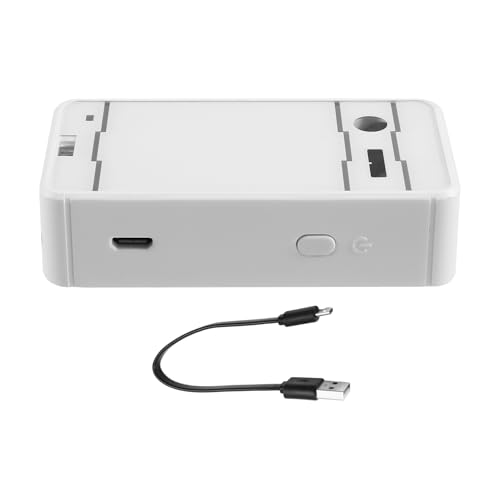
ThenThe projected keyboard was shown as a prototype of tomorrow in the early 2000s and cost hundreds. Today a lens diffracts a laser into the shape of keys and an infrared camera reads your fingers.
The catchIt is genuinely impressive, and typing at speed without feeling a key under your finger is tiring and error-prone. This is a conversation piece rather than a daily tool, it needs a flat opaque surface, and it is the clearest example on this page of the difference between a gadget that works and a gadget you will use. Availability comes and goes, so check before you set your heart on it.
The ring that made sleep tracking mainstream, the Oura Ring, sits in a different price class and charges a monthly subscription on top. What used to be a Silicon Valley luxury is now available, in its basic form, for a fraction of that and with no monthly fee at all. That is a real change, and it is the reason this category exists.
Smartia smart ring 2026
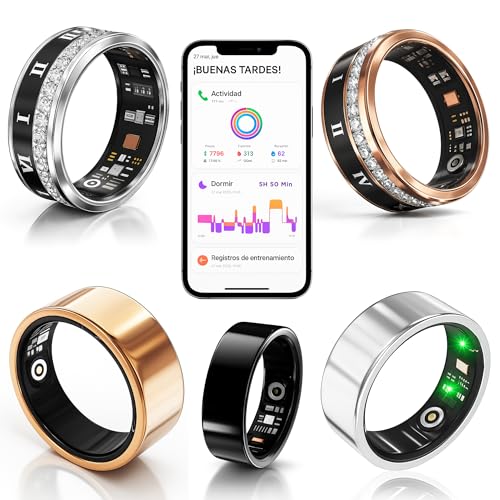
ThenTracking your sleep from a ring meant an Oura, at roughly ten times this and with a subscription attached. This does the basics (sleep, pulse, steps, stress) with no monthly fee.
The catchSmall brand: it gives you trends rather than medical-grade precision, and the app is plainer. Most importantly, get the size right before you order, because a ring is the one item on this list that a return does not easily fix, and sizing is the single most common complaint in this category.
CleverTalk Q37 AI recorder
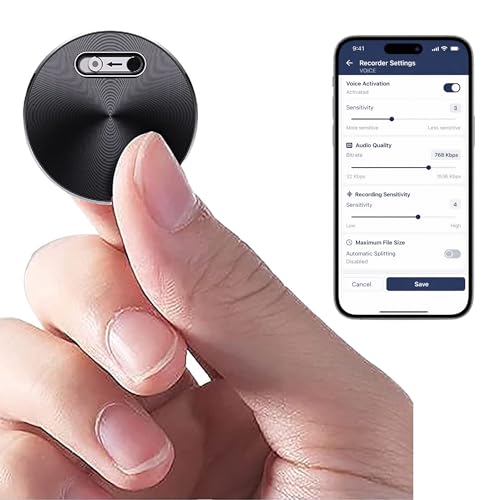
ThenTranscribing and summarising a meeting was a person's job, or paid software. Now a tiny device does it on its own, in more than a hundred languages.
The catchTwo of them, and the second is the serious one. The AI gets most words right but invents proper nouns and technical terms, so the summary needs checking. And it records whoever is in front of you: recording a conversation you are part of is one thing, recording other people without telling them is another, and in a work context it is a conversation to have before the meeting rather than after. Availability of this one is intermittent.
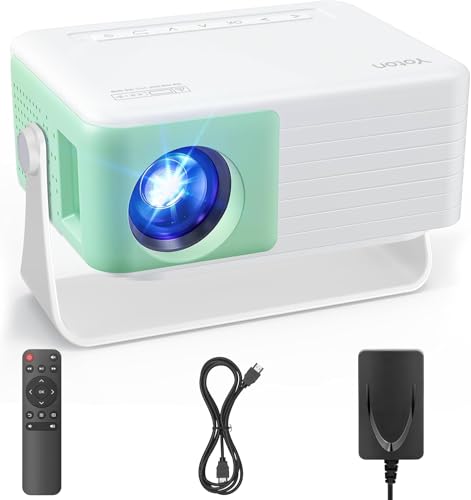
Yoton Y3 mini projector
ThenA decade ago a 1080p projector was a serious purchase and weighed like a brick. This one fits in a hand, has wi-fi and connects to a phone.
The catchThis is the magic-number example of the whole page. The "15,000 lumens" on the listing is marketing: the real figure is around 200 ANSI lumens, and ANSI is the measurement that means anything. At night, against a white wall, that is a genuinely good 100-inch picture. In daylight you will not see it. It is an evening projector, and for that it is more than enough. The full version of that argument, with the arithmetic for your own room, is in our budget projector guide.
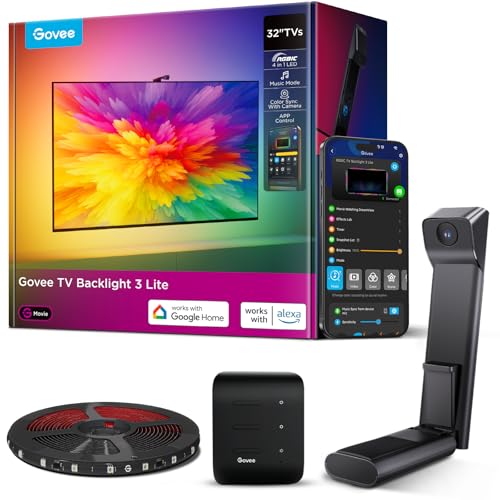
Govee TV Backlight 3 Lite (camera)
ThenThe light that spills out from behind the picture was exclusive to expensive Philips televisions. This strip with a small camera adds it to any set.
The catchThe camera approximates the colours rather than reading the video signal, so it is superb with film and games and weak with very dark scenes. Installation (clean, stick, calibrate) asks for patience, and it is the one item here that a rushed job will spoil.
If it turns out to be rubbish: what the law gives you
This is the part that turns a cheap gadget from a gamble into a decision, and almost no guide in this category mentions it. Under the Consumer Rights Act 2015, goods have to be of satisfactory quality and match their description, and that applies to a small brand on a marketplace exactly as it applies to a shop on the high street.
- 30 days to reject it. Section 22 gives you a short-term right to reject goods that are faulty or not as described, from the date of delivery, for a full refund. That is the law, and it sits on top of whatever returns window the shop advertises.
- Then repair or replacement. Section 23 covers that, and under section 24 you can move to a price reduction or a final rejection if a repair fails.
- Six months with no deduction. Within the first six months, a refund cannot be reduced to account for the use you have had.
- And the bit people get wrong: who you claim from. On a marketplace your contract is with the third-party seller named under "sold by", not with the marketplace. Buying from a listing sold and dispatched by the marketplace itself keeps the whole chain in one place, which on a small purchase from an unfamiliar brand is worth more than a small saving.
Read together with the four checks at the top, that is the honest answer to whether cheap gadgets are a scam: they are not, but you are the quality control, and both the checking and the remedy are available to you before and after you pay.
Frequently asked questions

Comments
Be the firstNo sign-up: just a name. Every comment is reviewed before it is published.