Best budget tablets in 2026: which to buy for study, kids and streaming, with the RAM and hertz traps decoded
 m8d.ioUpdated on
This guide contains affiliate links. As an Amazon Associate, m8d.io earns from qualifying purchases, at no extra cost to you.
The best budget tablet of 2026 is the Xiaomi Redmi Pad 2 in its 8 GB and 256 GB variant, with the Lenovo Idea Tab and its included pen for studying and the 11-inch iPad if you want years of updates. Before you compare anything, apply the rule of this guide: if a tablet spec sheet does not boast about hertz, it runs at 60.
- For most people: the Redmi Pad 2 with 8 GB and 256 GB. It sits alongside the 4 GB and 128 GB variant at nearly the same money, and that difference is exactly what separates a fluid tablet from one that stutters.
- To study with a pen: the Lenovo Idea Tab brings one in the box. With a bigger name and an S Pen included, the Galaxy Tab S10 Lite.
- To last half a decade: the 11-inch iPad with the A16 chip. Its screen runs at 60 hertz, and Android tablets at a fraction of the price declare 90: we say it with the spec sheets in front of us.
- For films on a big screen: the Redmi Pad 2 Pro, 12.1 inches at 120 Hz with four speakers.
- In the cheapest tier there is basic consumption and nothing more, and most of the RAM figure printed there is virtual memory: the decoder in this guide teaches you to spot it in ten seconds.
Which tablet to buy in 2026 by what you will actually do with it
A spec sheet does not tell you whether a tablet suits you: the use does. Pick what you want it for and how far your budget goes, and the test answers with one of the ten tablets in this guide, or with advice to spend less.
Pen included in the box, so you do not buy one separately, a 2.5K screen at 90 hertz that does not tire your eyes, and 8 GB to keep notes, a PDF and a browser open at once. Take notes, highlight and summarise with its AI tools. Hard to beat for studying.

The nine answers come from the ten tablets in this guide, using the specifications each manufacturer declares on its own listing. Availability and specification variants change by country: use the buttons to check yours in your local Amazon store.
The 10 budget tablets of 2026 head to head: screen, RAM and who each one is for
| Tablet | Screen | RAM | Who it is for | |
|---|---|---|---|---|
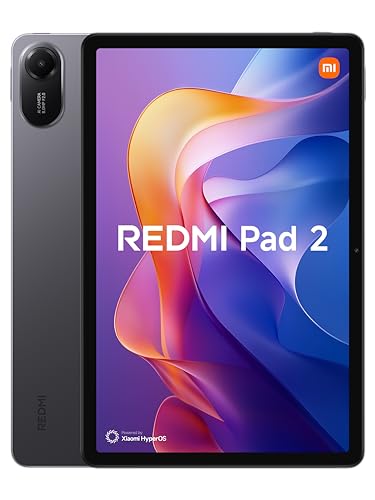 Xiaomi Redmi Pad 2 (8 GB + 256 GB) view › Xiaomi Redmi Pad 2 (8 GB + 256 GB) view › | 11-inch 2.5K · 90 Hz | 8 GB + 256 GB | The round buy for almost everything | View › |
| Lenovo Idea Tab (pen included) view › | 11-inch 2.5K · 90 Hz | 8 GB + 128 GB | Studying with a pen in the box | View › |
 Apple iPad 11 (A16, 128 GB) view › Apple iPad 11 (A16, 128 GB) view › | 11-inch Liquid Retina · 60 Hz | 128 GB | Years of updates and resale value | View › |
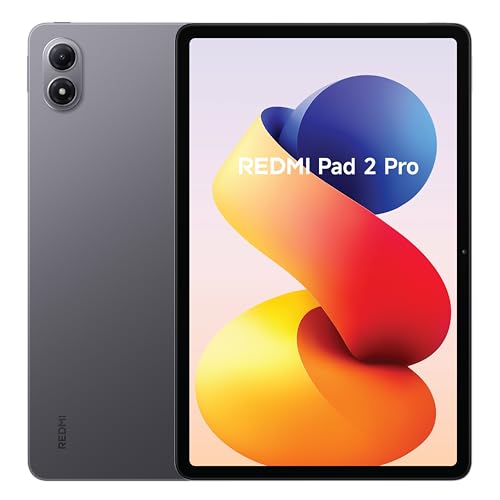 Xiaomi Redmi Pad 2 Pro (12.1-inch) view › Xiaomi Redmi Pad 2 Pro (12.1-inch) view › | 12.1-inch 2.5K · 120 Hz | 6 GB + 128 GB | Series, films and split screen | View › |
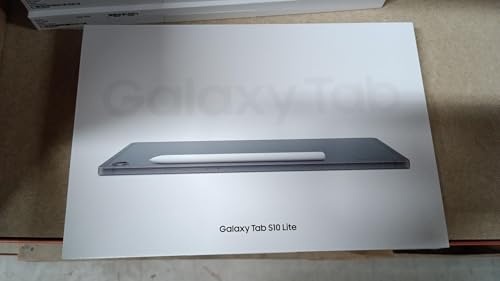 Samsung Galaxy Tab S10 Lite (S Pen included) view › Samsung Galaxy Tab S10 Lite (S Pen included) view › | 10.9-inch · 90 Hz | 6 GB + 128 GB | Studying with an S Pen from a big brand | View › |
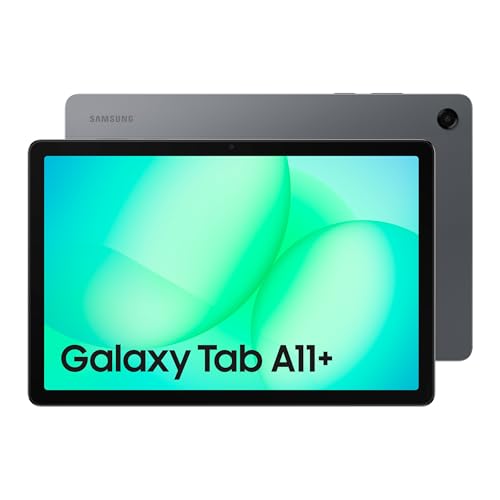 Samsung Galaxy Tab A11+ view › Samsung Galaxy Tab A11+ view › | 11-inch · 90 Hz | 6 GB + 128 GB | The family tablet with long update support | View › |
 Teclast P33 (with keyboard and mouse) view › Teclast P33 (with keyboard and mouse) view › | 10-inch HD | basic | Keyboard and mouse in the box | View › |
 Biegedy B25 (10-inch) view › Biegedy B25 (10-inch) view › | 10-inch HD | virtual (see decoder) | Basic consumption, a first tablet | View › |
 Samsung Galaxy Tab S10 FE (12 GB + 256 GB) view › Samsung Galaxy Tab S10 FE (12 GB + 256 GB) view › | 10.9-inch · 90 Hz · IP68 | 12 GB + 256 GB | Creating and drawing on Android | View › |
 Apple iPad Pro 13 (M5) view › Apple iPad Pro 13 (M5) view › | 13-inch XDR · 120 Hz | 256 GB | Professional drawing and video work | View › |
Screen and memory figures are the ones each manufacturer declares on its listing in the Amazon Spain catalogue that m8d tracks, read on 20 August 2026. Availability and specification variants change by country: use the buttons to check yours in your local Amazon store.
The hertz each spec sheet declares: 90 Hz on tablets that cost a fraction of the iPad, which declares nothing
Hertz are the number of times per second the screen redraws itself, and you do not need to be technical to see them: at 90 Hz scrolling runs like oil and your eyes tire less through long sessions of notes or reading. In 2026 that fluidity is no longer a premium feature: Xiaomi Redmi Pad 2 (8 GB + 256 GB) view › declares it on its spec sheet, and so do Lenovo Idea Tab (pen included) view ›, Samsung Galaxy Tab S10 Lite (S Pen included) view › and Samsung Galaxy Tab A11+ view ›, all of them well below what an iPad costs.
The detail almost nobody mentions: Apple does not publish the hertz of the standard iPad. Its high refresh rate technology, ProMotion at 120 Hz, is reserved for the Pro models according to Apple's own comparison page, so the 11-inch iPad runs at 60. It is still an excellent tablet, but on screen fluidity the cheap Android beats the expensive Apple.
The expanded RAM trap: 30 GB on a cheap tablet are not 30 GB, and its own listing says so
m8d rule: If a cheap tablet advertises more RAM than a laptop several times its price, that figure adds virtual memory: look for the physical RAM on the listing, and if it does not appear, assume it is the small one.
The 6 budget tablets of 2026 that are worth the money, one by one
Xiaomi Redmi Pad 2 (8 GB + 256 GB) view ›
The balance that does not fail: an 11-inch 2.5K screen at 90 Hz, 8 GB of physical RAM and 256 GB where rivals at the same money sell 4 and 128. For studying, series and normal multitasking it is the round buy of 2026.
- The variant matters: the 4 GB with 128 GB and this 8 GB with 256 GB sit side by side at almost the same money. The 4 GB one struggles the moment you open several apps; this is the one to buy.
- The 2.5K screen at 90 hertz shows every single day, in scrolling and in eye strain: almost nothing in this tier matches it.
- No charger in the box, as with most phones now. Any USB-C charger you own will do; for the 18 W fast charging it declares, check that yours delivers those watts.
- 8 GB of physical RAM and 256 GB in a tier where half of that is the norm
- A 2.5K screen at 90 Hz that is easier on the eyes
- Battery for up to 17 hours of video according to Xiaomi
- Takes a microSD card to expand storage
- No charger in the box
- Speakers are correct and no more: for films its Pro sibling wins
- Wi-Fi 5, not Wi-Fi 6
Lenovo Idea Tab (pen included) view ›
The back to school buy: the pen comes in the box, so you do not buy one separately, the 2.5K screen at 90 Hz holds up through hours of notes, and its 8 GB run notes, a PDF and a browser at the same time. With AI tools to summarise and rewrite notes.
- The included pen is the real difference in what you pay: almost every rival sells it separately.
- For notes, highlighting and diagrams it runs smoothly; if your child draws seriously, an iPad with Apple Pencil is still more precise.
- Four speakers according to its spec sheet: for lecture video and a series afterwards, more than enough.
- Pen in the box: a direct saving against buying one separately
- 2.5K at 90 Hz and 8 GB of RAM at what the 4 GB tier costs
- UFS storage, faster than the eMMC of cheap tablets
- AI tools to summarise and rewrite notes
- A smaller name in tablets than Xiaomi or Samsung
- 128 GB with no larger variant in this version
- The pen is functional, not a professional drawing instrument
Apple iPad 11 (A16, 128 GB) view ›
The safe bet if you want it to last half a decade: the A16 chip has room to spare for studying and everyday use, it receives updates for years, and its second-hand value is the highest on the list. The obvious choice if you already live in the Apple ecosystem.
- Its 128 GB take no microSD: if you store many films or shoot video, consider the 256 GB variant.
- The Apple Pencil and the keyboard are sold separately, and that is where Apple charges: to study with a pen on a tighter budget, look at the Samsung with the S Pen included on this same list.
- Apple does not boast about hertz on this model, and that is the detail almost nobody mentions: its screen runs at 60 while Android tablets at a fraction of the price declare 90.
- Years of guaranteed updates and the highest resale value on the list
- The A16 chip has room to spare for study and everyday use
- The most precise pen experience if you draw (Pencil sold separately)
- Build and screen quality above its Android price rivals
- A 60 Hz screen when Android tablets at a fraction of the price already run at 90
- No microSD and expensive accessories
- The entry price is well above the Android value picks
Xiaomi Redmi Pad 2 Pro (12.1-inch) view ›
The portable small television: 12.1 inches of 2.5K at 120 Hz, four speakers and a 12,000 mAh battery for very long sessions of series, films and split screen. The most enjoyable one on the list for consuming content.
- Its 6 GB of RAM are perfect for media and normal multitasking; if you live with many heavy apps open at once, the 8 GB Redmi Pad 2 does slightly better there.
- Size is the point: 12.1 inches for watching series from the sofa and splitting the screen between two apps that are actually usable.
- The 12,000 mAh battery is one of the biggest in its tier, with the small print about milliamp hours explained further down this guide.
- A 12.1-inch 2.5K screen at 120 Hz, unique in its price tier
- Four speakers: the best cinema experience of the tier
- A 12,000 mAh battery for long sessions
- 33 W fast charging
- 6 GB of RAM, not 8: enough for consumption, tight for heavy multitasking
- The size and weight of a small television: less comfortable for reading in bed
- Some units ship without the fast charger
Samsung Galaxy Tab S10 Lite (S Pen included) view ›
The S Pen comes in the box and solves handwritten formulas: to study with the reassurance of a big brand it is the serious alternative to the iPad, with long software support ahead of it.
- The included S Pen changes the arithmetic against the iPad: there the pen is bought separately and the total climbs fast.
- A 10.9-inch screen at 90 hertz according to its spec sheet: more fluid than the iPad it goes up against.
- The same model coexists today under six different listings in the Amazon Spain catalogue that we track, with a gap of more than 14% between the cheapest and the most expensive, and three of them declaring in their own title that they are the Romanian or the Polish version. Read via API on 23 August 2026.
- S Pen included, with handwriting and formula solving
- 90 Hz where the iPad stays at 60
- A brand with long software support
- A model number on the listing, which makes it easy to check what you are buying
- 6 GB of RAM in the standard variant
- An LCD panel, not AMOLED
- Above it sits Samsung's S range, at another price
Samsung Galaxy Tab A11+ view ›
The Samsung option without a pen: 11 inches at 90 Hz, four Dolby speakers, Google AI built in and seven years of updates announced at launch. A trusted brand, long software support and fine-grained parental controls: the tablet for the whole family.
- The four Dolby speakers make the difference with cartoons, series and family video calls.
- The seven years of updates announced at launch are the real insurance when the tablet is shared: a tablet without security patches is a tablet you stop using.
- No pen: if it is for studying by hand, its S10 Lite sibling or the Lenovo with the pen in the box fit better.
- Four Dolby speakers in its tier
- Seven years of updates announced by Samsung at launch
- 90 Hz and 6 GB: above the sensible floor of 2026
- Parental controls and child accounts properly done
- No pen included
- 6 GB, not 8: for heavy multitasking there are better options
- An entry-tier chip: consumption yes, demanding games no
The same tablet, six listings and a double-digit price gap. On 23 August 2026 the Galaxy Tab S10 Lite Wi-Fi with 128 GB was on sale in the Amazon Spain catalogue that we track under six different listings of the same model, with a gap of more than 14% between the cheapest and the most expensive. Three of the six write in their own title that they are the Romanian version or the Polish version, and only one of the six says the S Pen is included, which is the exact reason people buy this tablet. The one we link is the cheapest of those that do not declare an import origin and do declare the model number.
The rule you can publish: if a tablet title carries the word "version" followed by a country, you are not looking at the unit sold for your market. And if it carries no model number, open it before you compare anything: the same listing page can hold four adverts for the same machine.
More options by profile: the cheapest with a keyboard, the one with small print and the two flagships
These four complete the range at both ends: Teclast P33 (with keyboard and mouse) view › is the cheapest one with a keyboard and mouse in the box, Biegedy B25 (10-inch) view › is the star of the RAM decoder, and at the top Samsung Galaxy Tab S10 FE (12 GB + 256 GB) view › and Apple iPad Pro 13 (M5) view › are the two premium answers, for creating on Android or for professional drawing and video work.
The cheapest one with everything included: keyboard, mouse and case for less than the keyboard alone costs elsewhere. For video, browsing and simple tasks, or as a first tablet that will not hurt if it ends up in a drawer.
View ›It works for video, browsing and simple apps with a correct 8,000 mAh battery. Its listing boasts a giant memory figure that actually adds virtual RAM, and we tell that small print in full in the decoder of this guide.
View ›The premium Android for creating: S Pen included, 12 GB with 256 GB and IP68 resistance to water and dust. For drawing and working without entering the Apple ecosystem, and the best rated of the list.
View ›A computer disguised as a tablet: an M5 chip, a 13-inch XDR display and the Apple Pencil Pro for designers, illustrators and video editing. For watching series and studying it is money thrown away, and we say so on its own card.
View ›Tablet battery life: why 12,000 mAh do not mean twice the hours of 8,000
Milliamp hours measure how much charge fits, not how long it lasts: consumption depends on the screen, the chip and the software. A 12-inch screen at 120 Hz like the one on Xiaomi Redmi Pad 2 Pro (12.1-inch) view › draws far more than a 10-inch at 60, so its 12,000 mAh do not deliver 50% more than the 8,000 of Biegedy B25 (10-inch) view ›. And Apple does not publish milliamp hours at all: it declares hours of use, which is the figure you can actually compare.
Four traps when buying a cheap tablet in 2026, seen in the real catalogue
1. Expanded RAM. Trap number one of the cheap tier, explained above with the listing in front of us: figures of 16, 20 or 30 GB that add virtual memory. The real RAM matters more than the big number on the box. Memory is the specification the whole industry inflates, and it is worth seeing the same trick from the other end: on a graphics card the number that decides what you can run is the video memory, and nothing else compensates for it, which is the argument of our guide to the best graphics cards for running AI locally.
2. Brands that do not update. Many ultra-cheap tablets from unknown brands never receive updates: within a year or two they are left without security patches. Xiaomi, Samsung, Lenovo and Apple update for years, and that is the difference between a tablet that lasts five years and one that lasts one.
3. Less than 6 GB of physical RAM. Below that, the tablet stutters the moment you open several apps or tabs. In 2026, 6 GB is the sensible floor and 8 GB is the sweet spot: do not trade it away to save a little.
4. Paying flagship money to watch series. An iPad Pro is a wonderful machine, and for watching series, studying and browsing it is money thrown away: a mid-tier tablet does exactly the same job for 90% of people. Pay for what you are really going to use.
Which tablet brands offer the best value for money in 2026
Xiaomi and Lenovo give the most per unit of money in the mid tier today: 2.5K screens at 90 or 120 Hz and 8 GB where others fit 4. Samsung charges a little more and gives it back in long software support, with seven years of updates announced for the Tab A11+ at launch, and in the S Pen included on its study models. Apple is the brand that survives the most years and resells best, at the highest entry price. And the no-name brands of the cheapest tier have their exact place: basic consumption and first tablets, with the two pieces of small print in this guide, virtual RAM and short update support, always in front of you.
And the accessory almost everyone buys within a week of buying a tablet is a pair of headphones, where the small print works the same way: the battery hours on the box are measured with the noise cancelling switched off. We unpick that one in budget over-ear headphones.
Every figure in this guide carries its source and its date. What we did was go through the tablet catalogue that m8d tracks (Amazon Spain, part of Amazon's shared European catalogue) on 20 August 2026, read each manufacturer's declared listing and keep only what can be verified: inches, resolution, declared hertz, physical RAM against expanded RAM. The two contrasts in this piece, 90 Hz on tablets that cost a fraction of the iPad against an iPad that does not declare them, and the 30 GB of RAM advertised on an entry-tier tablet, come from the listings themselves, cited below with their date. Where a figure does not appear on the spec sheet, we say so instead of filling it in.
What changes by country, and what we do not claim. Our source catalogue is the Spanish one, so availability, exact variants, bundled accessories and warranty terms can differ in your market: those we do not verify and do not claim. The buttons take you to your local Amazon store so you can check what is actually on sale where you are.
What is the best budget tablet in 2026?›
For most people, the Xiaomi Redmi Pad 2 in its 8 GB and 256 GB variant: an 11-inch 2.5K screen at 90 Hz and twice the memory of its price rivals. If you need a pen for studying, the Lenovo Idea Tab includes one in the box. And if you want the Apple ecosystem, the 11-inch iPad with the A16 chip is the most reliable choice years down the line.
How much RAM and storage does a tablet need?›
For normal use (browsing, series, study apps, video calls) look for at least 6 GB of physical RAM and 128 GB of storage; 8 GB is the sweet spot of 2026. With 4 GB the tablet struggles once you open several apps. Watch out for the huge RAM figures on cheap tablets: they add virtual memory, which is not the same thing. Almost every Android tablet takes a microSD card to expand storage; iPads do not.
Android tablet or iPad, which is better?›
It depends on your budget and on your phone. The Android tablets from Xiaomi, Lenovo and Samsung give far more for the money, with 90 or 120 Hz screens and microSD support. The iPad costs more and gives it back in years of updates, very high resale value and the most precise pen for drawing. Simple rule: if you already have an iPhone and want it to last half a decade, iPad; if you want the most per unit of money, Android.
Which tablet is best for studying?›
The ones that include a pen: the Lenovo Idea Tab brings one in the box along with AI tools to summarise notes, and the Samsung Galaxy Tab S10 Lite comes with an S Pen and solves handwritten formulas. Both have 90 Hz screens, which tire your eyes less through long sessions. If you also draw seriously and the budget stretches, an iPad with Apple Pencil is the most precise option.
Are cheap tablets any good?›
They work for the basics: video, browsing and simple apps, and some come with a keyboard and mouse thrown in. But watch the marketing: when they advertise 20 or 30 GB of RAM, most of it is virtual memory, and their update support is usually short. As a first tablet, for a child or for the sofa they do the job; for serious study or work, the jump to the mid tier shows in everything.
Which tablet should I buy for a child?›
Prioritise a contained price, a big battery and parental controls, which are built into both Android and iPadOS. An affordable 10 or 11-inch tablet with a tough case is more than enough for videos, games and educational apps, and a brand that updates its software (Samsung, Xiaomi) is better. Do not overspend: at that age it will be used for videos and games, and it does not need a flagship.
What is the best mid-range tablet in 2026?›
The mid tier is where each unit of money goes furthest in 2026. The Xiaomi Redmi Pad 2 with 8 GB leads on balance, the Redmi Pad 2 Pro adds a 12.1-inch screen at 120 Hz for series, and the two Samsungs (Tab A11+ and Tab S10 Lite with S Pen) add long software support, with seven years of updates announced for the Tab A11+ at launch. Above that tier you are paying for brand or professional power, not for a better sofa experience.
The listings and official pages behind the data in this piece, with their date of consultation.
- AmazonAmazon product listingsSpecifications declared by each manufacturer (hertz, RAM, battery) for the ten tablets, read via API on 20 August 2026 from the European catalogue that m8d tracks daily. The 90 Hz of the Idea Tab and the Tab A11+ and the 30 GB of advertised RAM of the B25 appear in the listing titles themselves.
- AppleOfficial iPad model comparisonProMotion at 120 Hz appears on the iPad Pro and not on the iPad (A16). Consulted on 29 August 2026: it is the source of the hertz contrast.
- Samsung NewsroomGalaxy Tab A11+ launch announcementSamsung declares an 11-inch screen at up to 90 Hz and quad speakers for this model. Consulted on 29 August 2026.
- NotebookcheckGalaxy Tab A11+ with seven years of updatesReport of the European launch, with the seven years of software support announced by Samsung. Specialist outlet, cited as such. Consulted on 29 August 2026.
- XiaomiRedmi Pad 2 Pro product page12.1-inch screen and 12,000 mAh battery declared by the manufacturer. Consulted on 29 August 2026.
If you take one thing from this guide, take this: in 2026 the value for money lives in the mid tier, and inside it Xiaomi Redmi Pad 2 (8 GB + 256 GB) view › is the buy that does not fail, with 8 GB of physical RAM, 256 GB and a screen that many tablets at twice the price do not match. To study with a pen, Lenovo Idea Tab (pen included) view › brings one in the box; to last half a decade and stop thinking about it, Apple iPad 11 (A16, 128 GB) view ›. And the two house rules so you do not get caught: the giant RAM figure on cheap tablets is virtual, and if a spec sheet does not boast about hertz, it runs at 60.
Comments
Be the firstNo sign-up: just a name. Every comment is reviewed before it is published.