Best budget over-ear headphones in 2026: four picks compared, and the one word that marks the noise cancelling tier
 m8d.ioUpdated on
This guide contains affiliate links. As an Amazon Associate, m8d.io earns from qualifying purchases, at no extra cost to you.
Top 3: the best budget over-ear headphones of 2026
The best budget over-ear headphones of 2026 are the Soundcore Q20i, because Anker declares hybrid noise cancelling and 40 hours of playback with it switched on. If you never use cancelling, the Sony WH-CH520 declares 50 hours on one charge at 147 grams. The step up is the JBL Tune 770NC, and the reason is one word on the spec sheet.
-
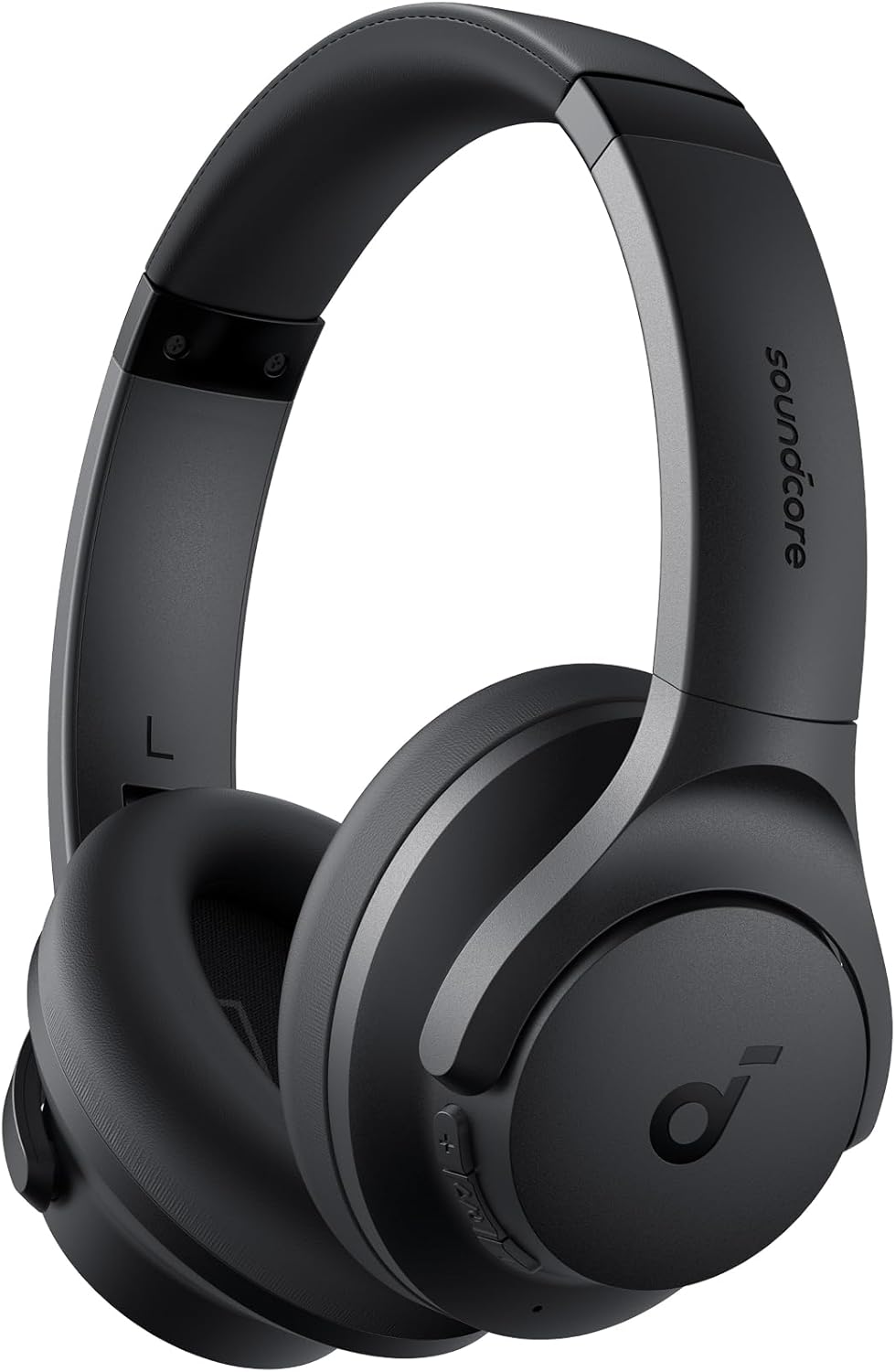
Best value: Soundcore Q20i. Hybrid ANC with four microphones, Hi-Res over the cable, an app with an equaliser, 40 hours with cancelling on and 60 with it off.
-
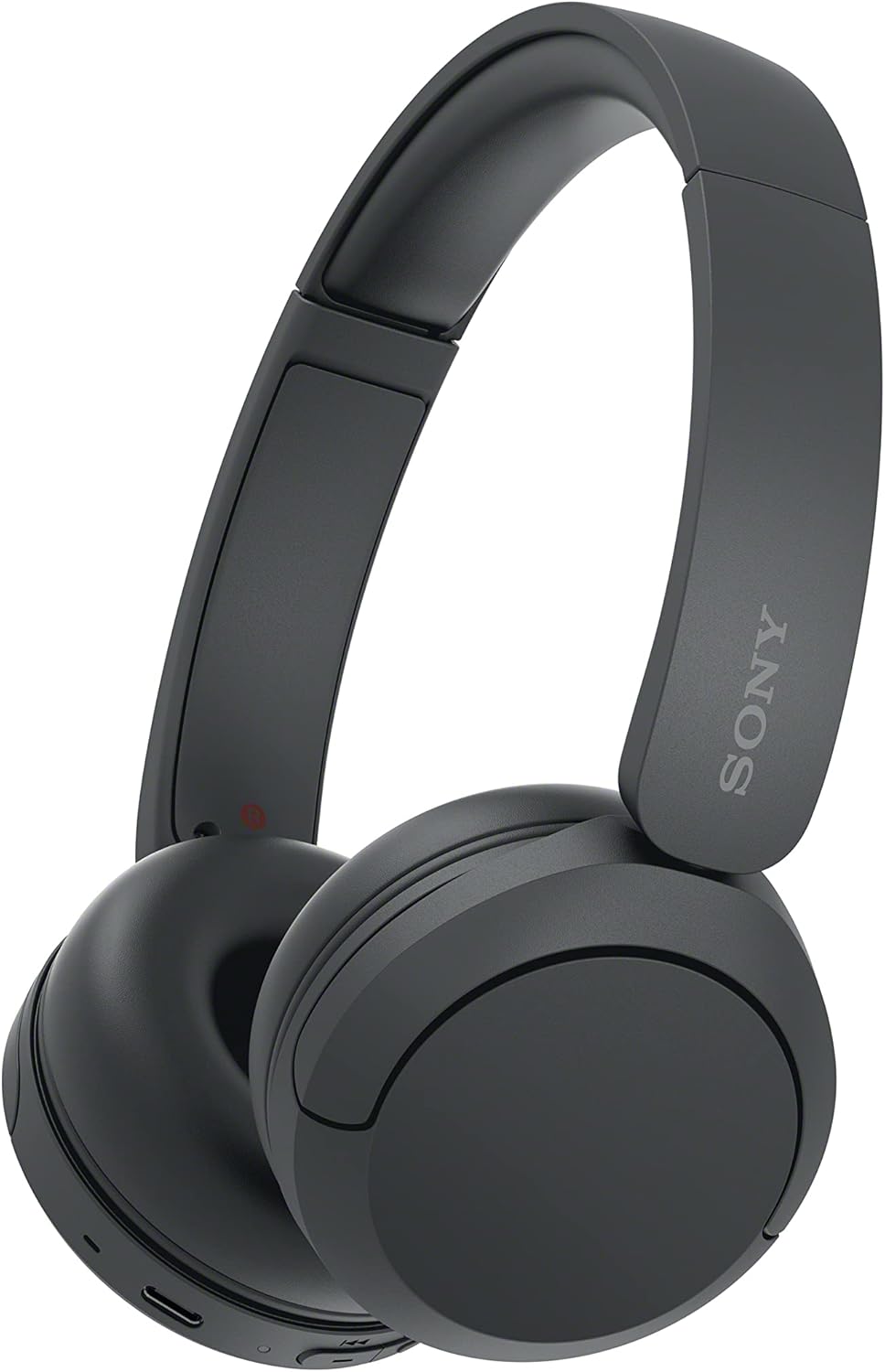 If you do not want cancelling: Sony WH-CH520. 50 hours on one charge, 147 grams, DSEE and multipoint. The whole battery goes to the music.
-
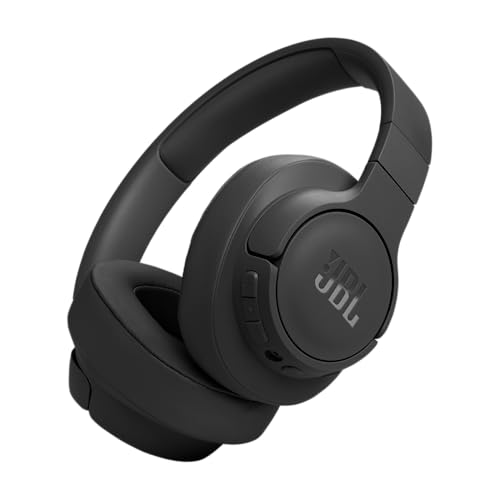 The first step up: JBL Tune 770NC. Its spec sheet says adaptive cancelling instead of hybrid, and that single word is the whole reason to move up a tier.
-
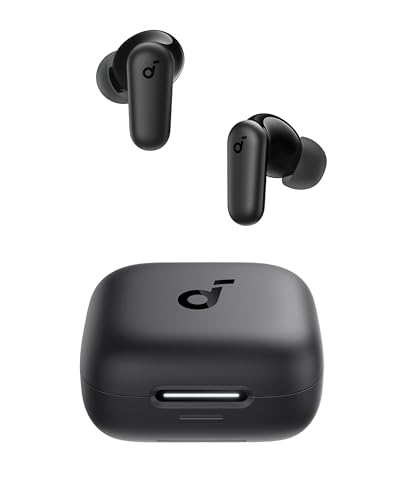 If you would rather have earbuds: Soundcore P30i, with IP54 and 45 hours counting the case. Four more earbuds sit further down this page.
Over-ear, on-ear, open-ear: which one this guide is about
Three words that are one letter apart and mean three different shapes. Getting this wrong is the most expensive mistake in the category, because all three sit next to each other in the same search results.
The rule, and you can check it on any product page in ten seconds: if a listing claims both active noise cancelling and an open-ear or clip design, one of the two words is doing marketing. Cancelling needs a seal, and open-ear is the deliberate absence of one.
What noise cancelling means on a budget spec sheet, and the line it crosses
Almost every list of cheap headphones tells you a pair "has ANC" and stops there. Two pairs can both say active noise cancelling and do noticeably different jobs, and the makers themselves tell you which is which. There are two words to look for.
Hybrid: microphones outside and inside, filtering at a fixed strength
- What it is: a microphone on the outside of the cup listens to the world, one on the inside listens to what leaked through, and the electronics cancel a fixed slice of it.
- What it does for you: it flattens the constant, low stuff. Engine hum on a train, the drone of a bus, the air conditioning in an open-plan office.
- What it will not do: react when the noise changes. Walk from a quiet carriage into a station concourse and the filtering stays where it was.
- Where you find it: the value tier. The Soundcore Q20i declares hybrid ANC with four microphones.
Adaptive: it measures the room and changes the filtering as the room changes
- What it is: the same microphones plus a loop that keeps re-measuring and re-tuning.
- What it does for you: it holds up when your surroundings move. Commuting is exactly that: quiet flat, loud street, quiet carriage, loud platform.
- What it costs: a tier. In this guide it appears first on the JBL Tune 770NC, whose spec sheet says adaptive, and again on the Nothing Ear (3).
- Read it, do not assume it: "adaptive" is a word a maker chooses to print. If the description only says active or hybrid, it is not adaptive.
The decibel figure: a laboratory peak, not your commute
- What a number like 42 dB means: the deepest attenuation the maker measured, at the frequency where the system works best, in a lab.
- What it does not mean: that the world gets 42 dB quieter. Cancelling works on low, steady tones and barely touches speech.
- Why we still print it: because it is the maker's own declaration and you can hold them to it. Xiaomi declares 42 dB for the Redmi Buds 8 Lite and Nothing declares up to 45 dB for the Ear (3).
- The useful test: compare two models from the same maker. Across makers, the number is measured differently and is not comparable.
The publishable rule of this guide, and it takes ten seconds to check: in the budget tier, cancelling is described as hybrid, which is fixed filtering. The word adaptive does not appear on the spec sheets until you move a tier up. Open the description of any two models from the two tiers on the same shop and you will see the same line change.
Which budget over-ear headphones should you buy in 2026?
Buying well here is not about spending more, it is about reading the right line. This page compares nine wireless models, four of them over-ear and five in-ear, against what each maker publishes. In a hurry? The Soundcore Q20i is the safe answer; if cancelling is not for you, the Sony WH-CH520 puts every hour of its battery into the music.
The four over-ear picks compared
No small print: shape, what the maker calls its cancelling, the battery it declares and the Bluetooth version. The highlighted row is our number one.
| Model | Shape | Cancelling | Battery declared | BT | Best for | |
|---|---|---|---|---|---|---|
| Soundcore Q20i |
Over-ear | Hybrid · 4 mic | 5.0 | Almost everyone | See | |
| Sony WH-CH520 |
On-ear | None | 5.2 | Long days, light head | See | |
| JBL Tune 770NC |
Over-ear | Adaptive | 5.3 | Commuting | See | |
 Sony ULT Wear Sony ULT Wear |
Over-ear | Sony ANC | 5.2 | The tier above | See |
Read the battery column twice. Three of these four publish the big number with cancelling switched off. Sony publishes the ULT Wear figure with it switched on, which is a smaller number describing a better product. When two spec sheets quote different conditions, the shorter honest figure beats the longer flattering one.
Want the opposite shape, the one that leaves your ears open to traffic? That is a different product and it has its own page: budget open ear headphones, clip-on and earhook. And if the headphones are for a games console rather than a phone, stop here: consoles have their own rules, and we cover them in the best PS5 headsets.
Head to head: pick two and compare them
Choose any two of the six core models and see them side by side. The better of each row is marked in green. Every figure here is the maker's own declaration.
Find your pair in three questions
The four over-ear picks, one by one
Soundcore Q20i by Anker

What that means in practice. Around-the-ear pads plus fixed cancelling is the combination that makes an open-plan office or a train carriage stop being a wall of hum. It will not follow you when the noise changes, so if your day is quiet flat to loud street to quiet carriage, read the JBL further down. The Bluetooth is 5.0, the oldest version on this page, which in practice means you should not expect the two-device switching to be as slick as on a 5.3 pair.
Sony WH-CH520
What that means in practice. A working week of eight-hour days on a single charge, and a headband light enough that you forget it. Multipoint is the feature you notice daily: the laptop rings, the headphones switch, the phone gets them back. This is an on-ear pair, so the pad presses on the ear rather than surrounding it. Some people find that more comfortable in summer and some find the opposite after two hours. If you already know which camp you are in, that decides it.
JBL Tune 770NC
What that means in practice. Adaptive cancelling keeps re-measuring the noise around you and re-tunes as it changes, instead of filtering one fixed slice of it. A commute is the case that punishes fixed filtering: quiet flat, loud street, quiet carriage, loud platform, four different noise floors in half an hour. If your listening happens at one desk in one room, you will not get your money's worth from this over the Q20i.
Sony ULT Wear
What that means in practice. Thirty hours with cancelling running is a longer real day than a 60 hour headline measured with it off. Multipoint means a phone and a laptop stay connected at once. The ULT button is a taste rather than an upgrade: it pushes the low end, which is either exactly what you wanted or the first thing you switch off.
Noise cancelling and your hearing: the two numbers that actually matter
This is the part almost no budget headphone list covers, and it is the strongest argument for cancelling that exists. It has nothing to do with silence and everything to do with the volume knob.
Hearing damage is not caused by loudness alone. It is caused by level multiplied by time. The UK puts numbers on that relationship in the Control of Noise at Work Regulations 2005, which set the lower exposure action value at a daily or weekly personal noise exposure of 80 dB (A-weighted), the upper at 85 dB and the exposure limit value at 87 dB. Those regulations govern employers and workplaces, not the headphones you buy for yourself, and we are not going to pretend otherwise. What they give you is the scale: the levels at which UK law decides noise stops being background and starts being a risk.
The rule you can check on your own phone today: both iOS and Android now log your headphone listening level and warn you when a week's listening crosses a threshold. Turn cancelling on for one journey and look at the number afterwards. If it drops, cancelling has bought you something a spec sheet cannot show you.
If you would rather have earbuds: five more from the same read
Over-ear wins on comfort over hours, on passive isolation and on battery per charge. Earbuds win on everything you do while moving. These five went through the same spec sheet reading as the four above, and the same rule about the word adaptive applies to them.
Soundcore P30i
Active cancelling, IP54 against dust and splashes, and a two-in-one case. Read the 45 hours the way Anker means it: that is the buds plus the case, not one stint in your ears.
See it on Amazon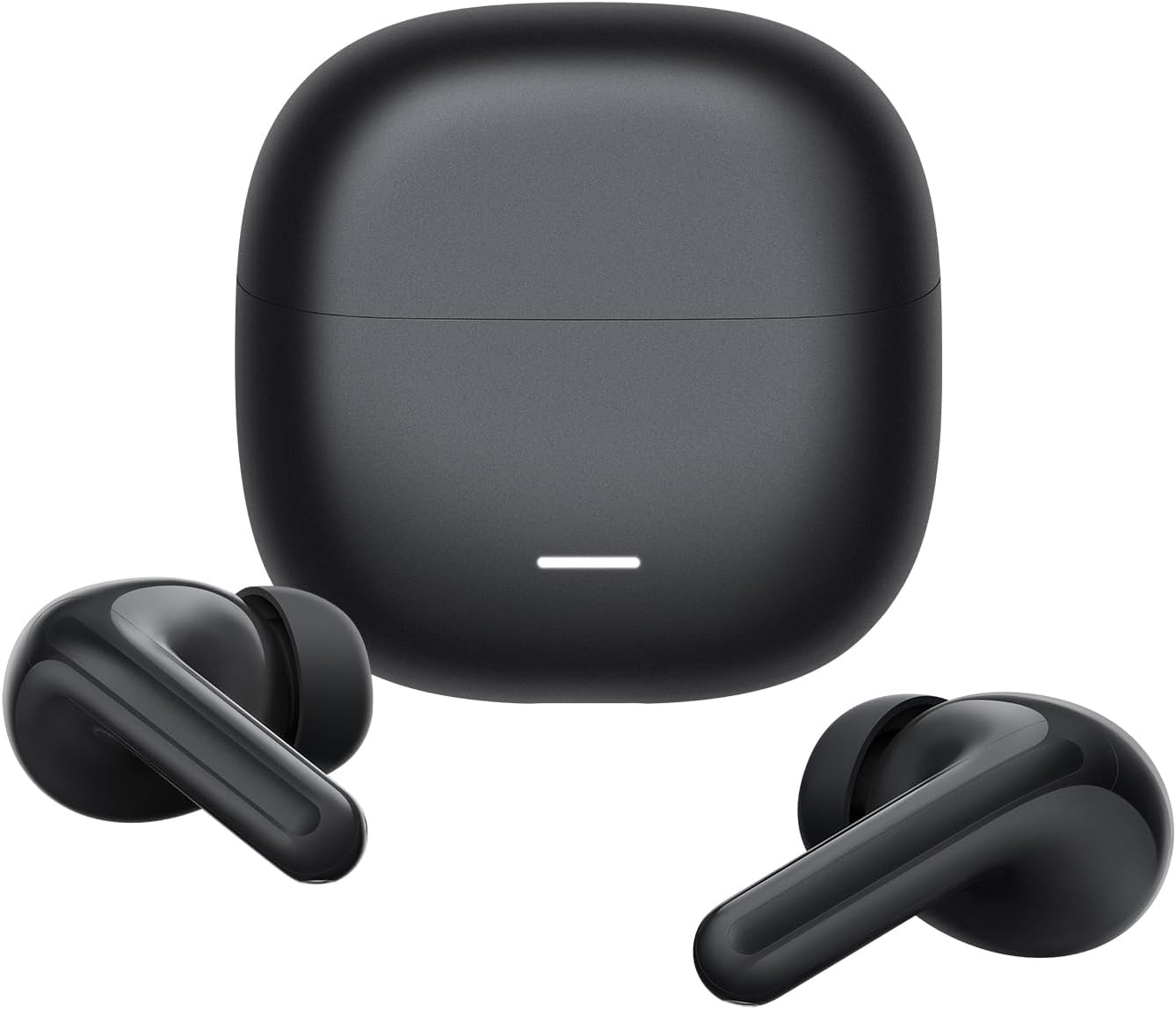
Redmi Buds 8 Lite
Xiaomi declares 42 dB of cancelling, a 12.4 mm titanium-coated driver, Bluetooth 5.4 and five equaliser presets. The decibel figure is a lab peak, not your commute, but it is Xiaomi's own number and it is the highest on this page bar the Nothing.
See it on Amazon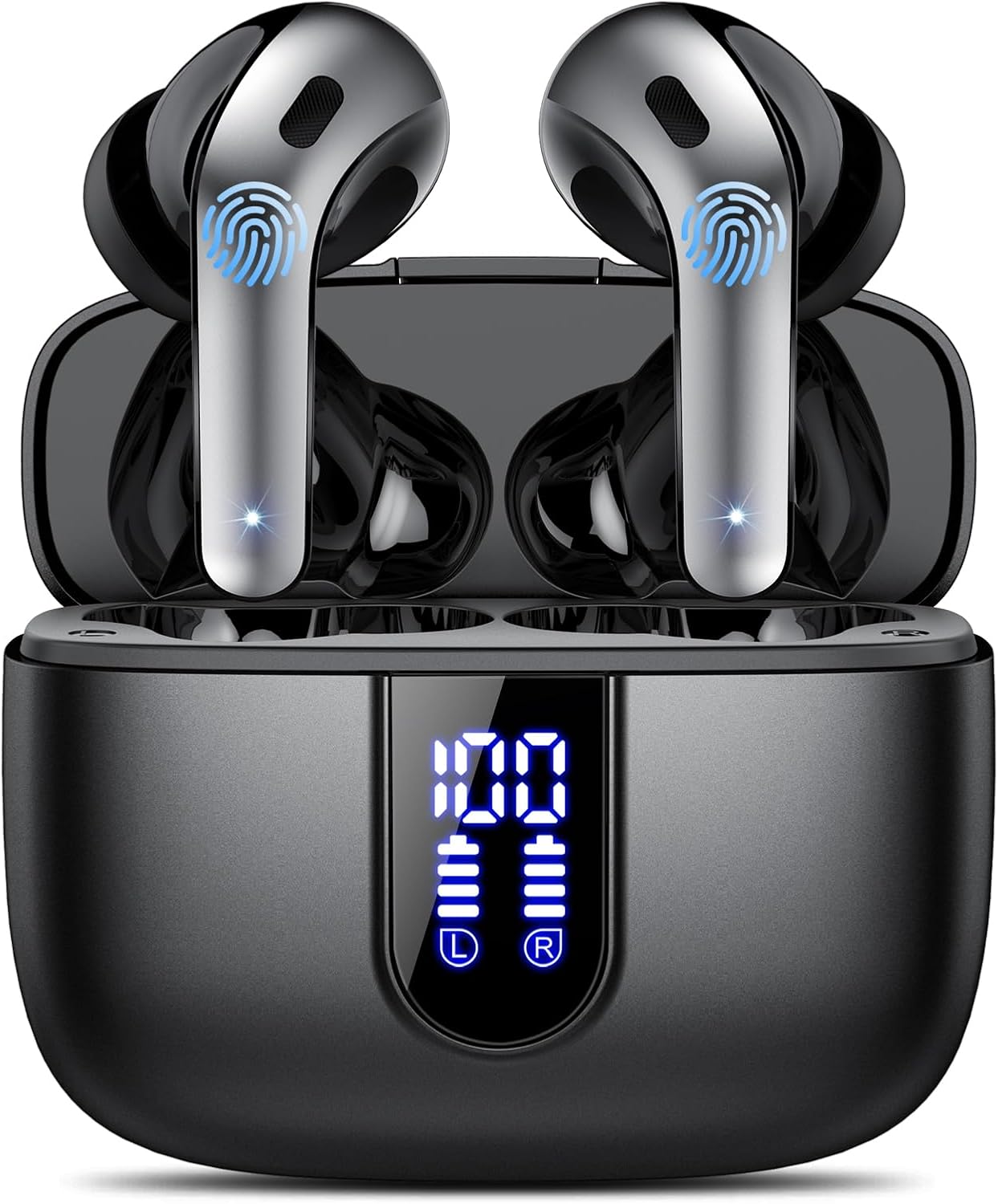
IKT X08
The most water-resistant pair here, with four ENC microphones for calls and a graphene driver. One thing to read carefully: the listing says IP7, which is not a complete code. A full IP rating has two digits and the one that describes water is the second, so read it as IPX7, meaning immersion rather than a rinse. ENC is not ANC either: it cleans up your voice for the person on the other end, it does not quiet the gym for you.
See it on Amazon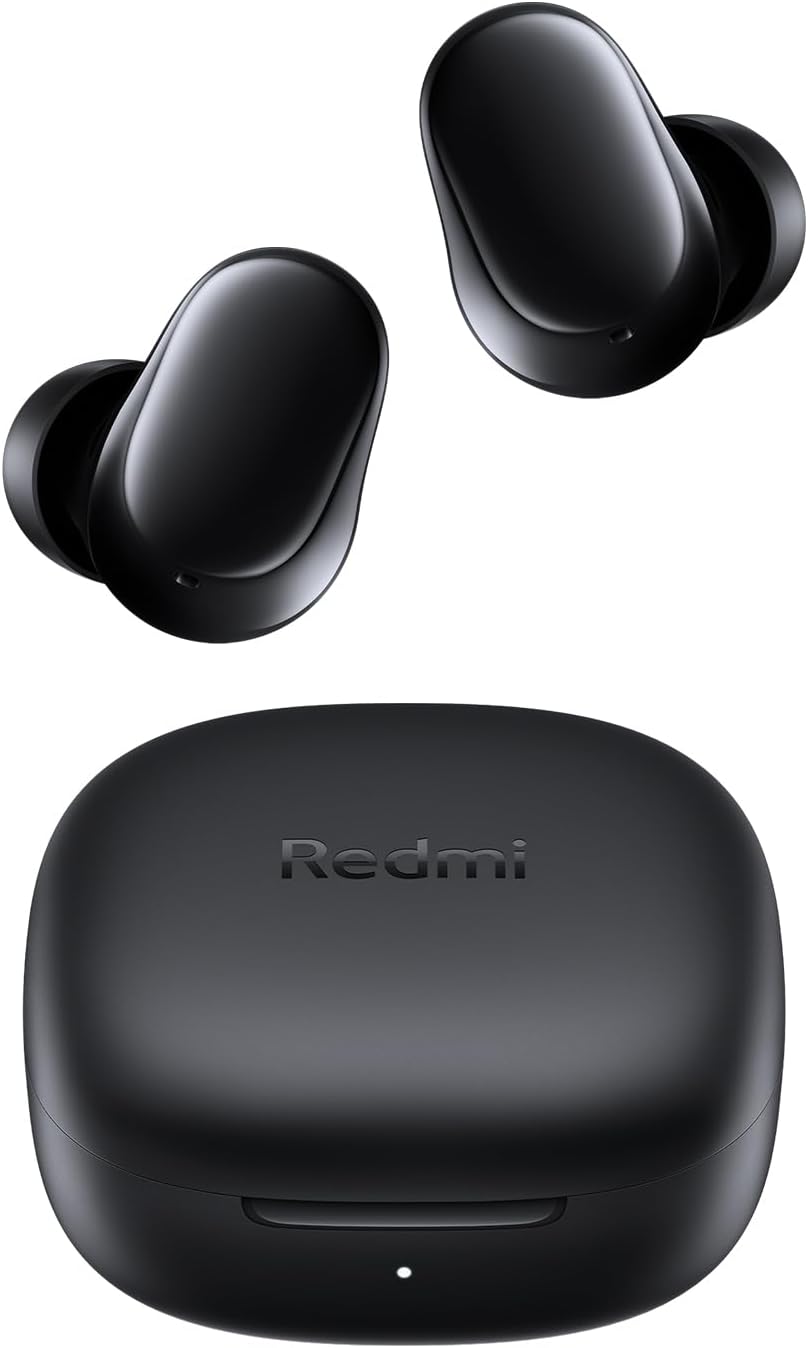
Redmi Buds 6 Play
Bluetooth 5.4 and a declared 36 hours with the case, with tens of thousands of ratings behind it. No active cancelling: the noise reduction on the box is passive, which means the tip in your ear. The basic pair that does the basic job.
See it on Amazon
Nothing Ear (3)
The only pair of earbuds on this page whose maker declares real-time adaptive cancelling, up to 45 dB, with LDAC for Hi-Res over Bluetooth. It is the rule of this guide applied to the other shape: what does not exist in the value tier is exactly what you are paying for here.
See it on AmazonOver-ear or earbuds? Pick by how you listen
Over-ear: comfort over hours, and the seal that makes cancelling work
- Comfortable for a whole shift: pads that do not press on the ear itself.
- Better low end and separation, because a 30 to 40 mm driver has room to move.
- Passive isolation before any electronics, simply by surrounding the ear.
- Battery on one charge: 50 to 60 hours declared here, against 6 to 8 in your ears for a set of buds.
Earbuds: they go where you go
- Portable: the case charges them and protects them.
- Exercise: a secure fit and a water rating, which no over-ear pair on this page has.
- Cancelling exists here too: the P30i and the Redmi Buds 8 Lite both declare it.
- Read the big battery number twice: it counts the case.
By your case
- Working at a desk: Soundcore Q20i for the cancelling, Sony WH-CH520 for the battery and the weight.
- Commuting: JBL Tune 770NC, because that is the case adaptive cancelling was built for.
- Gym: IKT X08, the only pair here rated for immersion.
- Spending as little as possible: Redmi Buds 6 Play.
- Wanting to hear traffic: none of these. Read the open ear guide instead.
Before you buy, check these five lines
Budget over-ear headphones: the questions people actually ask

Comments
Be the firstNo sign-up: just a name. Every comment is reviewed before it is published.